







Exploring the Future of Electronic Manufacturing: Trends and Innovations
2025-12-25
The electronic manufacturing industry serves as the backbone of modern technology, producing vital components and assemblies that power everything from consumer electronics to sophisticated industrial machinery. As we venture further into the 21st century, this sector is undergoing rapid transformations, driven by technological advancements, shifting market demands, and a growing emphasis on sustainability. Understanding these changes provides valuable insights into how the industry will evolve and adapt to new challenges.
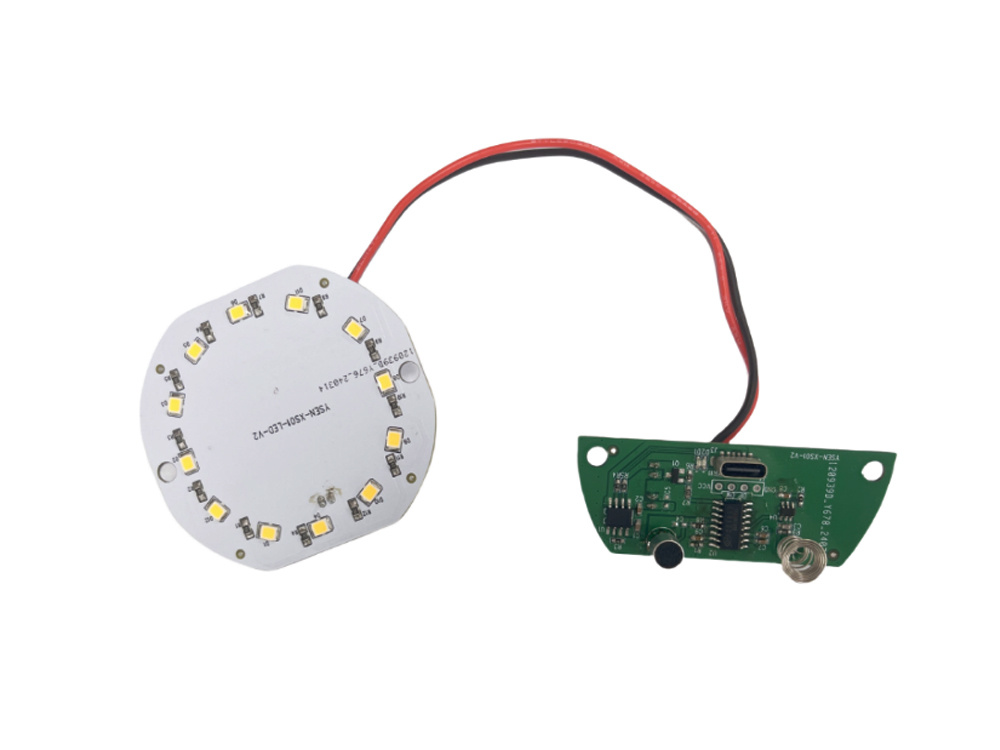
Current Trends in Electronic Manufacturing
In recent years, several key trends have emerged within electronic manufacturing that are reshaping the industry landscape. These trends represent both challenges and opportunities for manufacturers, engineers, and business leaders alike.
1. Increased Demand for Customization
The need for personalized electronic solutions is growing. Customers are increasingly seeking products tailored to their specific requirements, pushing manufacturers to adopt flexible production systems. This shift towards customization is leading to advancements in design processes, making it easier for companies to develop unique solutions that meet consumer demands.
2. Emphasis on Miniaturization
As technology becomes more integrated into everyday life, there is a significant push towards miniaturization. Smaller, more efficient electronic components are sought after for use in portable devices and wearables. This trend requires advancements in manufacturing techniques and materials, allowing for the creation of compact yet powerful products.
3. Collaborative Robotics (Cobots)
The introduction of collaborative robots, or cobots, is transforming production lines. These robots work alongside human employees, enhancing productivity while ensuring safety. This collaboration allows for more efficient workflows, reducing errors and increasing overall manufacturing efficiency.
4. Rapid Prototyping and 3D Printing
Rapid prototyping, particularly through 3D printing technologies, is allowing manufacturers to quickly develop and test new designs. This innovation speeds up the product development cycle and reduces costs associated with traditional manufacturing methods. As 3D printing continues to advance, it is likely to play a more significant role in electronics manufacturing.
The Rise of Automation in Electronic Manufacturing
Automation is at the forefront of the electronic manufacturing revolution. The integration of advanced technologies into manufacturing processes not only increases efficiency but also enhances precision and reduces costs.
1. Automation Technologies
The adoption of automation technologies, such as robotics and machine learning, has significantly changed the production landscape. Automated systems are capable of performing repetitive tasks with high accuracy, which minimizes the risk of human error and boosts productivity.
2. Smart Factories
The concept of smart factories is gaining traction, where interconnected machines communicate in real-time to optimize production. These factories leverage data analytics to monitor processes and identify inefficiencies, allowing for immediate corrective actions.
3. Workforce Transformation
As automation takes over manual tasks, the workforce in electronic manufacturing is shifting towards more strategic roles. Employees are increasingly required to possess advanced technical skills, focusing on troubleshooting, programming, and overseeing automated systems.
Sustainable Manufacturing Practices
Sustainability is no longer just an option but a necessity within electronic manufacturing. Companies are increasingly prioritizing environmentally friendly practices to meet regulatory requirements and customer expectations.
1. Green Manufacturing Materials
The use of sustainable materials, such as bioplastics and recycled metals, is on the rise. Manufacturers are exploring innovative materials that reduce environmental impact while maintaining product quality.
2. Energy-Efficient Production
Implementing energy-efficient practices is crucial for reducing the carbon footprint of manufacturing facilities. Technologies such as energy management systems help monitor and optimize energy usage, leading to significant cost savings.
3. Waste Reduction Initiatives
Minimizing waste through lean manufacturing principles is becoming standard practice. Companies are employing strategies to recycle materials and reduce scrap, contributing to a circular economy.
The Impact of Artificial Intelligence on Manufacturing
Artificial intelligence is revolutionizing the electronic manufacturing sector, offering new tools and methodologies that drive efficiency and innovation.
1. Predictive Maintenance
AI-driven predictive maintenance systems analyze machine data to forecast potential failures before they occur. This proactive approach minimizes downtime and extends equipment lifespan, ultimately leading to cost savings.
2. Quality Control Automation
AI technologies can enhance quality control processes by utilizing machine vision and deep learning. These systems inspect products for defects at speeds and accuracies unattainable by human inspectors.
3. Enhanced Supply Chain Management
AI plays a pivotal role in optimizing supply chain operations by predicting demand fluctuations and managing inventory levels. This foresight helps manufacturers maintain efficiency and meet customer demands in real-time.
Emerging Technologies in Electronic Manufacturing
The future of electronic manufacturing is being shaped by several emerging technologies that promise to enhance productivity and improve product quality.
1. Internet of Things (IoT)
The IoT is transforming how machines communicate and operate within manufacturing environments. Connected devices facilitate real-time data sharing, enabling better monitoring and control over production processes.
2. Blockchain Technology
Blockchain technology is gaining traction as a means to enhance transparency and security in supply chains. By providing a tamper-proof record of transactions, blockchain can help trace components back to their origins, ensuring ethical sourcing and compliance.
3. Augmented Reality (AR) and Virtual Reality (VR)
AR and VR technologies are being utilized for training and simulation purposes in manufacturing settings. These immersive experiences allow employees to practice skills and troubleshoot issues in a risk-free environment.
Innovations in Supply Chain Management
Effective supply chain management is critical to the success of electronic manufacturing, and innovations in this area are leading to more resilient and agile operations.
1. Real-time Data Analytics
Leveraging real-time data analytics enables manufacturers to make informed decisions quickly. Access to live data on inventory levels, production schedules, and market trends helps streamline operations and optimize resource allocation.
2. Supplier Collaboration Platforms
The rise of digital collaboration platforms enhances communication between manufacturers and suppliers. These platforms facilitate information sharing, improve partner relationships, and lead to more coordinated supply chain operations.
3. Sustainable Sourcing Strategies
As sustainability becomes a priority, manufacturers are increasingly focusing on ethical sourcing practices. Building a supply chain that prioritizes environmental and social governance is essential for meeting consumer demands and regulatory expectations.
Future Outlook for Electronic Manufacturing
The future of electronic manufacturing is poised for significant evolution. The continued integration of advanced technologies, coupled with the industry's commitment to sustainability, indicates a dynamic and adaptable sector.
1. Integration of Advanced Technologies
As emerging technologies continue to mature, we can expect deeper integration into manufacturing processes. This will likely lead to more efficient production lines, enhanced product quality, and reduced costs.
2. Workforce Development and Training
With the rise of automation and AI, there will be a growing need for workforce development. Industry stakeholders must invest in training programs that equip employees with the necessary skills to thrive in a tech-driven environment.
3. Global Collaboration and Market Expansion
As markets evolve, manufacturers will increasingly seek global partnerships to leverage new technologies and expand their reach. Collaborations across borders will foster innovation and drive growth in the electronic manufacturing landscape.
The electronic manufacturing industry is on the brink of significant transformation, driven by technological advancements and an increasing focus on sustainability. As we explore the future, it is crucial for companies to adapt to these changes, embracing innovation while maintaining a commitment to ethical practices. By understanding and implementing the trends and innovations discussed in this article, stakeholders can navigate the complexities of the electronic manufacturing landscape and thrive in an ever-evolving market.
Related news



Request A Quote
Please feel free to contact us at any time, and we will wholeheartedly provide you with the highest quality service and support.
Copyright © 2022-2026 Shenzhen One Stone Two Birds Technology Co.,Ltd
Power by 300.cn