







Understanding Durable Printed Circuit Boards: Key Features and Benefits
2025-04-16
Printed circuit boards (PCBs) are fundamental components in electronics, acting as the backbone that connects various electronic parts. Among the different types of PCBs, durable printed circuit boards stand out due to their robustness and longevity. In this article, we will delve into what makes these PCBs durable, their applications, and the benefits they offer in various industries.
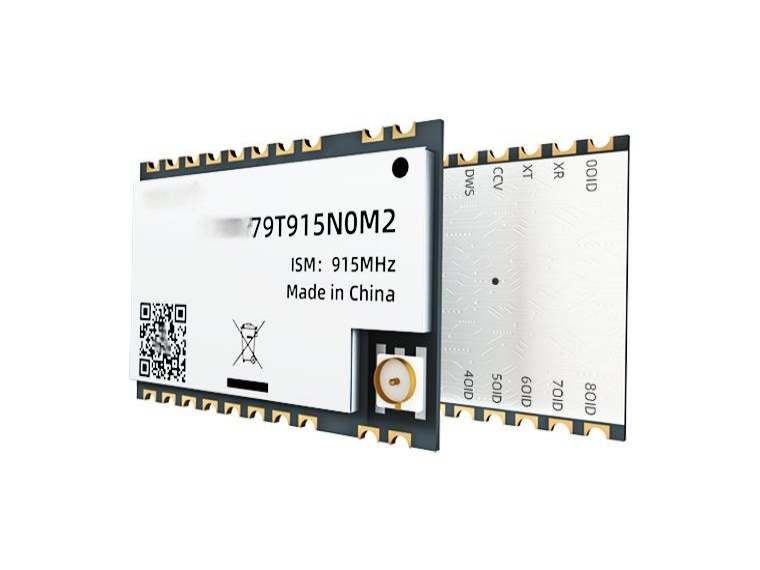
Durable printed circuit boards are designed to withstand harsh environmental conditions. This durability stems from the materials used in their construction, which often include high-quality substrates that resist moisture, temperature fluctuations, and mechanical stress. For instance, materials like FR-4, a woven glass epoxy laminate, offer excellent mechanical strength and thermal stability, making them ideal for demanding applications.
One of the key features of durable printed circuit boards is their ability to endure extreme temperatures. This characteristic is particularly important in sectors like automotive and aerospace, where components may be exposed to high operational temperatures. Durable PCBs can maintain their functionality and performance in such environments, ensuring the reliability of the devices they support.
Additionally, the manufacturing processes employed in creating durable printed circuit boards play a vital role in enhancing their lifespan. Techniques such as surface mount technology (SMT) and advanced soldering methods contribute to stronger connections between components, reducing the risk of failure over time. These processes also allow for tighter tolerances, which can improve the overall performance of the electronic device.
In terms of applications, durable printed circuit boards are widely used in industries that require high reliability, such as telecommunications, medical devices, and industrial machinery. In telecommunications, for example, the need for uninterrupted signals and data transfer relies heavily on the durability of PCBs. Similarly, in medical devices, where device failure can have serious consequences, the use of robust PCBs is critical.
Aside from their practical applications, the longevity of durable printed circuit boards also translates to cost savings. By reducing the frequency of repairs and replacements, businesses can minimize downtime and maintenance costs. This economic benefit, combined with the reliability they provide, makes durable PCBs a preferred choice for manufacturers and engineers alike.
Durable printed circuit boards are an integral part of modern electronics, offering resilience and reliability across various applications. Understanding the features and benefits of these PCBs can help organizations make informed decisions about their electronic designs, ensuring the longevity and effectiveness of their products. By investing in durable PCBs, companies can enhance performance and reduce operational costs, ultimately contributing to their success in a competitive market.
Related news

Request A Quote
Please feel free to contact us at any time, and we will wholeheartedly provide you with the highest quality service and support.
Copyright © 2022-2026 Shenzhen One Stone Two Birds Technology Co.,Ltd
Power by 300.cn