







The Essential Guide to Printed Circuit Board Design: Key Principles and Best Practices
2025-02-20
Printed circuit board design is a critical aspect of electronics engineering, serving as the backbone for virtually all electronic devices. The design process involves a series of steps that transform a conceptual circuit into a physical board that will connect and support various electronic components. Understanding the principles of PCB design can significantly enhance both the functionality and reliability of electronic products.
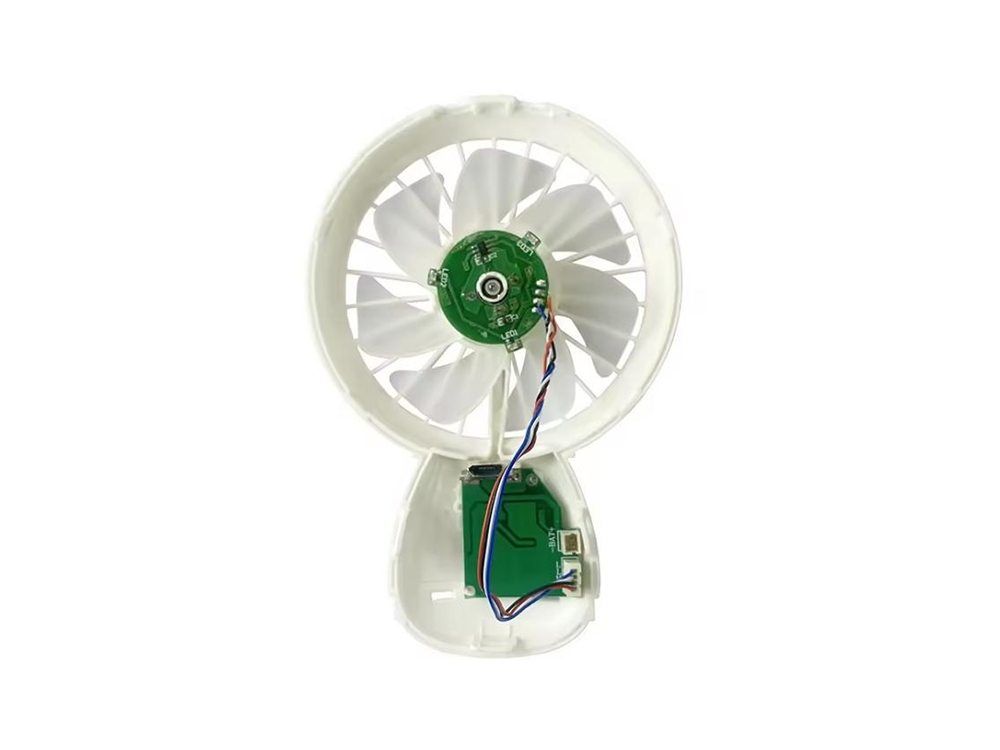
At the heart of PCB design is the schematic diagram, which represents the electrical connections between components. Designers use software tools to create these diagrams, ensuring that each component is accurately placed and connected. Once the schematic is finalized, the designer transitions to layout design, where the physical arrangement of components on the PCB takes shape. This step is crucial because the arrangement affects not only the functionality but also the manufacturability of the board.
One of the key principles of PCB design is signal integrity. As electronic devices operate at increasingly high speeds, maintaining the integrity of signals becomes paramount. Designers must consider factors such as trace width, trace length, and the spacing between traces to minimize electromagnetic interference and ensure reliable communication between components. Utilizing proper grounding techniques and incorporating vias strategically can also enhance signal integrity.
Thermal management is another vital consideration in PCB design. Electronic components generate heat during operation, and excessive heat can lead to performance degradation or failure. Designers must account for thermal distribution and implement measures to dissipate heat effectively. This can include the use of heat sinks, thermal vias, and appropriate placement of heat-generating components to allow for adequate airflow.
Additionally, the choice of materials plays a significant role in PCB design. The substrate material, such as FR-4 or polyimide, impacts not only the board's electrical performance but also its mechanical properties. Designers should select materials that align with the specific requirements of the application, including factors like temperature resilience and flexibility.
Moreover, adhering to industry standards and regulations is essential in the PCB design process. Compliance with standards such as IPC-2221 ensures that the design meets safety, reliability, and performance criteria. This is particularly important in industries like aerospace, medical, and automotive, where failure can have serious consequences.
Printed circuit board design is a multifaceted process that requires careful consideration of various principles and best practices. By understanding the importance of signal integrity, thermal management, material selection, and compliance with industry standards, designers can create effective and reliable PCBs that meet the demands of modern electronics. Whether you are a seasoned engineer or a beginner in the field, mastering PCB design is a valuable skill that can lead to successful electronic product development.
Related news

Request A Quote
Please feel free to contact us at any time, and we will wholeheartedly provide you with the highest quality service and support.
Copyright © 2022-2026 Shenzhen One Stone Two Birds Technology Co.,Ltd
Power by 300.cn