







Exploring the Latest Innovations in Circuit Board Design
2025-06-18
In the rapidly evolving field of electronics, the newest circuit board design plays a crucial role in enhancing device performance, reliability, and functionality. The design of circuit boards has become increasingly sophisticated, driven by advancements in technology and the growing demand for compact, high-performance electronic devices. This article explores the latest innovations in circuit board design, focusing on key aspects that professionals in the electronics component and processing industry should consider.
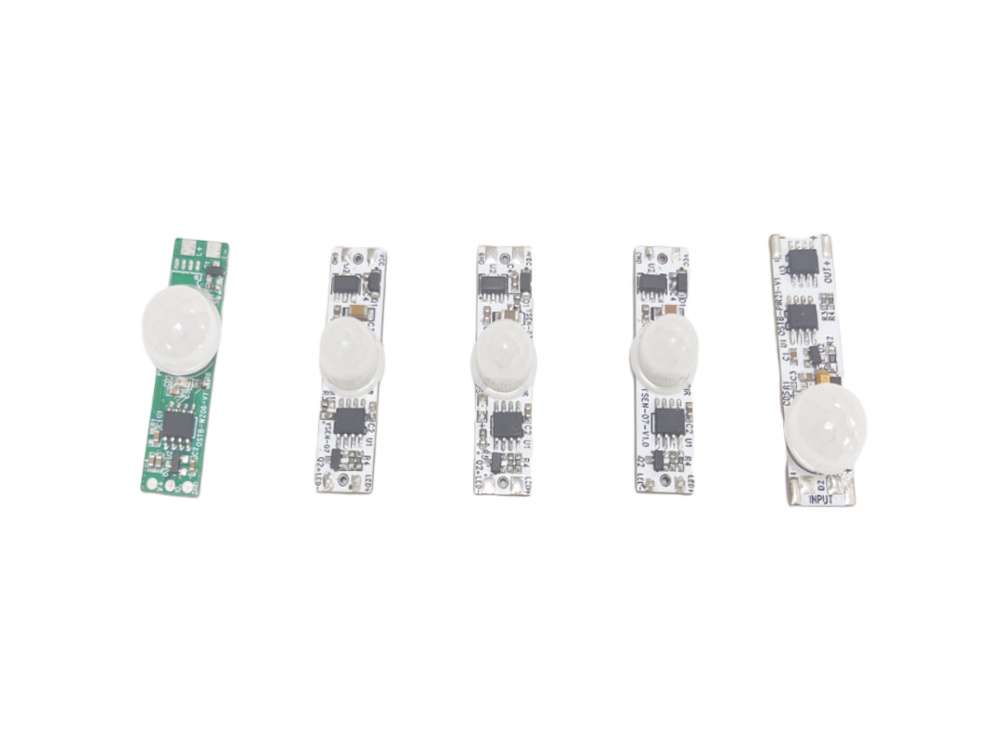
One significant trend in the newest circuit board design is the move toward multilayer boards. These designs allow for more complex circuitry in a smaller footprint, which is essential for modern devices that require compactness without sacrificing performance. Multilayer boards can support higher component density, leading to improved signal integrity and reduced electromagnetic interference (EMI). As a result, engineers must have a thorough understanding of layer stacking and impedance control to optimize the performance of multilayer circuit boards.
Another important aspect of modern circuit board design is the integration of advanced materials. The use of high-frequency laminates and materials with enhanced thermal conductivity has become common practice. These materials are essential for applications in telecommunications, automotive, and industrial sectors, where high-performance and heat dissipation are critical. Engineers must be aware of the properties of these materials and how they affect the overall design, including factors such as dielectric constant and thermal expansion coefficients.
Moreover, the implementation of design for manufacturability (DFM) principles is increasingly relevant in the newest circuit board design. DFM focuses on optimizing the design process to ensure that the circuit boards can be manufactured efficiently and at scale. This includes considering factors such as component placement, routing, and the reduction of manufacturing complexities. By prioritizing DFM, engineers can minimize production costs and time, ultimately leading to quicker time-to-market for new electronic devices.
Additionally, the use of simulation software has transformed the design process. Tools for circuit simulation, thermal analysis, and electromagnetic simulation allow designers to predict how their circuit boards will perform under various conditions. This capability not only enhances the design process but also helps in identifying potential issues before physical prototypes are produced, resulting in significant time and cost savings.
The newest circuit board design encompasses a range of trends and innovations that are reshaping the electronics industry. From the adoption of multilayer boards and advanced materials to the principles of DFM and the utilization of sophisticated simulation tools, professionals in the electronics component sector must stay informed about these developments. Embracing these advancements will enable engineers to create more efficient, reliable, and high-performing electronic devices that meet the demands of today's market.
Related news

Request A Quote
Please feel free to contact us at any time, and we will wholeheartedly provide you with the highest quality service and support.
Copyright © 2022-2026 Shenzhen One Stone Two Birds Technology Co.,Ltd
Power by 300.cn